If you’ve seen the California Highway Patrol warn drivers about a “Maximum Enforcement Period,” it’s not just a headline, it’s one of the most aggressive traffic crackdowns you’ll see on California roads.
During a recent 24 hour statewide operation, CHP issued thousands of citations in a single day, targeting speeding, reckless driving, and other dangerous behavior. When you break that down, it comes out to nearly 8 citations every minute, a pace that shows just how intense these enforcement surges really are.
So what does “Maximum Enforcement Period” actually mean? CHP just announced they issued nearly 12,000 speeding tickets in a 24 hour period.
It means law enforcement is shifting into a saturation style operation where nearly every available officer is on the road, actively looking for violations. From a legal standpoint, these operations are designed to generate a high volume of stops in a very short window. And for drivers, that means the margin for error shrinks dramatically.
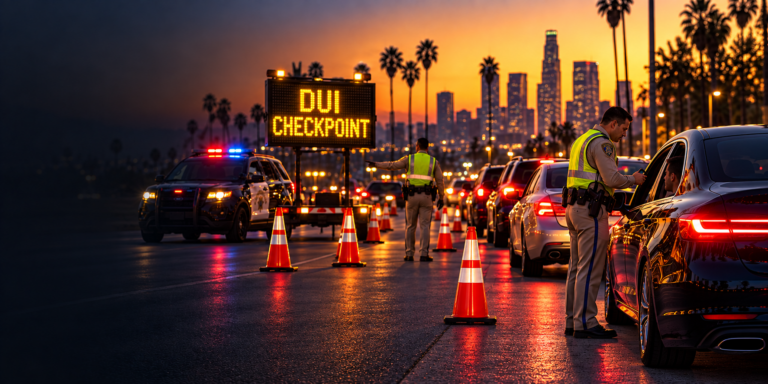
A Maximum Enforcement Period (MEP) is a coordinated, statewide initiative where CHP floods highways with patrol units, often pulling in officers from non-patrol assignments to increase visibility and enforcement capacity.
Unlike routine patrol, MEPs are structured to maximize stops, prioritize high-risk violations like speeding, and create an immediate deterrent effect.
But from a traffic attorney’s perspective, that kind of volume matters. Because when enforcement ramps up this aggressively, it can also lead to rushed observations, questionable judgment calls, and procedural mistakes, all of which can become critical when challenging a citation in court.
The Numbers Behind CHP’s Crackdowns
CHP continues to run these operations because the data supports aggressive enforcement.
Recent figures show:
- Hundreds of thousands of speeding citations issued annually
- Over 100,000 crashes tied to speed-related driving behaviors
- Significant spikes in citations during concentrated enforcement efforts
During a 24-hour Maximum Enforcement Period, thousands of drivers can be cited statewide.
From a legal standpoint, this volume is important. When enforcement is scaled up this aggressively, it often leads to:
- Shortened observation times before stops
- Increased reliance on visual speed estimates
- Less discretion in issuing warnings
In other words, more tickets, but not necessarily stronger cases.
What Drivers Get Cited For During MEP
Although speeding is the primary focus, CHP uses Maximum Enforcement Periods to enforce a broad range of violations:
- Speeding, including basic speed law violations
- Excessive speed (often 20+ mph over the limit)
- Conducción imprudente
- DUI and suspected impairment
- Distracted driving, especially cell phone use
- Unsafe lane changes and aggressive driving
From a legal perspective, many of these charges rely heavily on officer interpretation rather than hard evidence. For example, “unsafe speed for conditions” does not require a driver to exceed the posted limit, it’s based on the officer’s judgment.
That opens the door to challenges in court.
Penalties Can Escalate Quickly
Drivers often assume a traffic ticket is a minor issue, but California penalties can escalate fast, especially during high-enforcement periods.
Depending on the charge, consequences may include:
- Fines that can exceed several hundred dollars
- Points on your driving record, which can increase insurance rates
- Traffic school eligibility limitations
- License suspension in more serious cases
- Misdemeanor charges for reckless driving
- DUI penalties including suspension, fines, and possible jail time
From an attorney’s standpoint, the long-term impact is often more significant than the initial fine. Insurance increases alone can cost thousands over time.
This Isn’t the First Time CHP Has Done This
Maximum Enforcement Periods are a recurring enforcement strategy used by CHP for years.
They are commonly deployed during:
- Holiday weekends
- Summer travel periods
- DUI awareness campaigns
- Targeted speeding enforcement initiatives
The reason they continue is simple: they create immediate behavioral change.
But from a legal defense perspective, repeat use of these operations also means one thing, officers are working under pressure to produce results. That can sometimes lead to:
- Over-enforcement
- Misidentification of vehicles
- Errors in citation details
- Weak or incomplete documentation
These are all factors that can be examined when fighting a ticket.
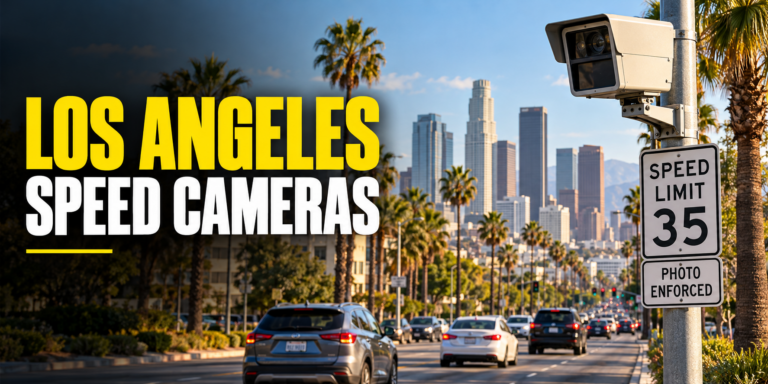
How MEP Enforcement Differs From Speed Cameras
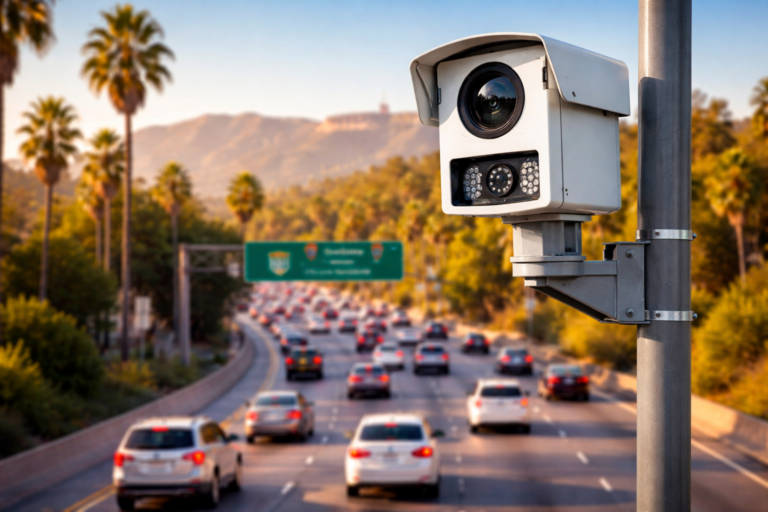
California is moving toward automated speed enforcement, but Maximum Enforcement Periods operate very differently.
Human Judgment vs. Automation
CHP officers make real-time decisions based on what they observe. While that allows for flexibility, it also introduces subjectivity, which can be challenged in court.
Immediate Stops vs. Delayed Tickets
During an MEP, drivers are pulled over immediately. This creates pressure on both the driver and the officer, sometimes leading to statements or observations that may later be disputed.
Broader Enforcement Authority
Speed cameras only capture speed. Officers during an MEP can investigate for DUI, search vehicles under certain circumstances, and escalate stops into more serious charges.
Legal Defensibility
From a defense standpoint, automated tickets often rely on technical calibration and documentation, while officer-issued citations rely on testimony and observation. Each has different vulnerabilities, but human enforcement often presents more opportunities for legal challenge.
Why Maximum Enforcement Period Tickets Are Often Defensible
One of the most important things drivers should understand is that a ticket issued during a Maximum Enforcement Period is not automatically stronger, in many cases, it may be easier to challenge.
High-volume enforcement environments can lead to:
- Officers stopping multiple vehicles in rapid succession
- Limited time to accurately identify the correct vehicle
- Increased reliance on estimation rather than measurement
- Documentation errors on citations
In court, these factors can be critical.
An experienced traffic attorney will examine:
- Whether the officer had a clear line of sight
- How speed was determined (radar, lidar, pacing, or estimation)
- Whether proper procedures were followed
- Any inconsistencies in the officer’s report
Why This Matters for California Drivers
During a CHP Maximum Enforcement Period, the likelihood of being stopped increases significantly.
But what many drivers don’t realize is that these operations are designed for volume, not precision.
That distinction matters.
Because while more tickets are issued, not all of them are built on strong legal foundations.
How The Ticket Clinic California Can Help
If you were cited during a Maximum Enforcement Period, it’s critical to understand that you have options.
The Ticket Clinic California has extensive experience handling:
- Speeding violations
- Cargos por conducción temeraria
- DUI-related offenses
- High-volume enforcement citations
From a legal perspective, early intervention is key. The sooner a case is reviewed, the more opportunities there are to identify weaknesses and build a defense strategy.
Maximum Enforcement Periods may increase enforcement, but they also increase the chances of error.
And that’s where experienced legal representation makes the difference.